Category Archives: 05/10
The Bird with the Crystal Plumage
With my pre-existing knowledge of Italian horror auteur Dario Argento – admittedly mostly garnered from watching Juno – I watched this apprehensively, ensuring the girlfriend – who scares easily – was out of the flat, and a sick bucket and towels were close to hand, lest the television begin leaking the copious flow of blood that would soon inevitably be filling up the screen. It is with a relieved sense of disappointment that I can confirm this is not a horror, more a suspense thriller, following a down on his luck American writer seeking inspiration in Italy, who witnesses an attempted murder whilst he is trapped between two sheets of glass. Discovering the attack was the handiwork of an active serial killer, he becomes obsessed with the case, up to the point where he is hunted by those who’d rather the killer remain unknown. Mostly following the standard crime whodunit formula, this effectively cranks up the suspense, but the goriness and brutality of the occasional murder jars with the largely sedate tone of the rest of the film. There are nice comedic touches – tracking down the man in the yellow jacket – and a collection of memorable oddball supporting characters including a stuttering pimp and a reclusive cat eating art collector, but this is little more than a sporadically bloodier version of A Touch of Frost.Spiderman 1 & 2
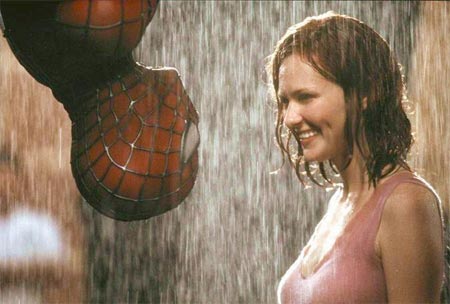
Never has a film been more squarely aimed at the nerds and outsiders of the world (OK, maybe Revenge of the Nerds), the guys with the smarts but not the brawn, good looks, athletic bodies and hot girlfriends. Fortunately, this description neatly encapsulates the majority of the superhero genre’s existing fanbase.Saturday Night and Sunday Morning
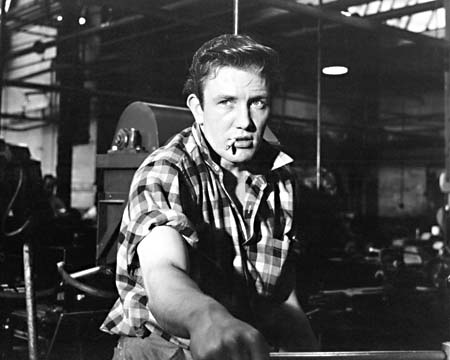
A kind of working class Alfie, this tells the story of twenty-something factory worker Arthur Seaton, spending his weekends getting fall-down drunk, chasing women and sleeping with a stiff co-workers bored wife. Seaton is played with an animal intensity by Albert Finney in a breakout role, captivatingly bitter and indignant (check out the primal glare he gives his opponent in an early drinking contest), but some of the supporting cast are terrible, notable Shirley Anne Field as Arthur’s latest fancy Doreen. Predictably plotted and having aged terribly (One character dreams of “a new house, with a bathroom and everything!”) this is notable for Finney’s portrayal of a man confined by his own sense of self, but little else.
Grease
Local Hero
Babe
Peking Opera Blues
Sweeney Todd
Who could resist a film featuring Alan Rickman singing about marrying his adopted daughter! Me, it turns out. Many have criticised the picture for being too gory, although its hard to see how Tim Burton could have avoided the flood of viscera required to depict the story of Sweeney Todd, a barber who murders his clientele by slitting their throats in a specially designed barber’s chair (That I must say did appeal to the mechanical engineer in me), only for their innards to be baked into pies served in the shop below the barber’s. So, instead of toning down the gore, Burton embraces it, commencing the show following a trickle of blood, luminous red against an almost monochrome London, as it drips, seeps and oozes through cracks, down gutters and into the sewers. It is clear from this opening that those of a weaker disposition should stick to a more family-friendly film, such as the Texas Chainsaw Massacre.
Continue reading
Chronique d’Un Ete
I can’t say I’m surprised that this film is unavailable for rental from Lovefilm. It’s essentially a collection of interviews with various Parisians in 1960, being asked whether they are happy, and discussing topics including life, success, wealth and race. As an insight into life there and then it is interesting, but only in how it highlights the differences and similarities between the inhabitants of the same city. It all gets bit meta later on, when the directors, an anthropologist and a sociologist, discuss how the film has been limited up to that point, before showing the film to the people interviewed within it. Their reaction to the documentary is included as part of the film, as is the directors subsequent discussion of the reaction of the film, and the difficulties they have had making it. Many years before commentaries and behind the scene footage was popular, these two were self-analysing and critiquing the film they were making, whilst they were making it, and filming it as they went, to be included in the very film they were analysing. It’s the kind of moebius-strip film-making that could good on forever, but thankfully doesn’t.